
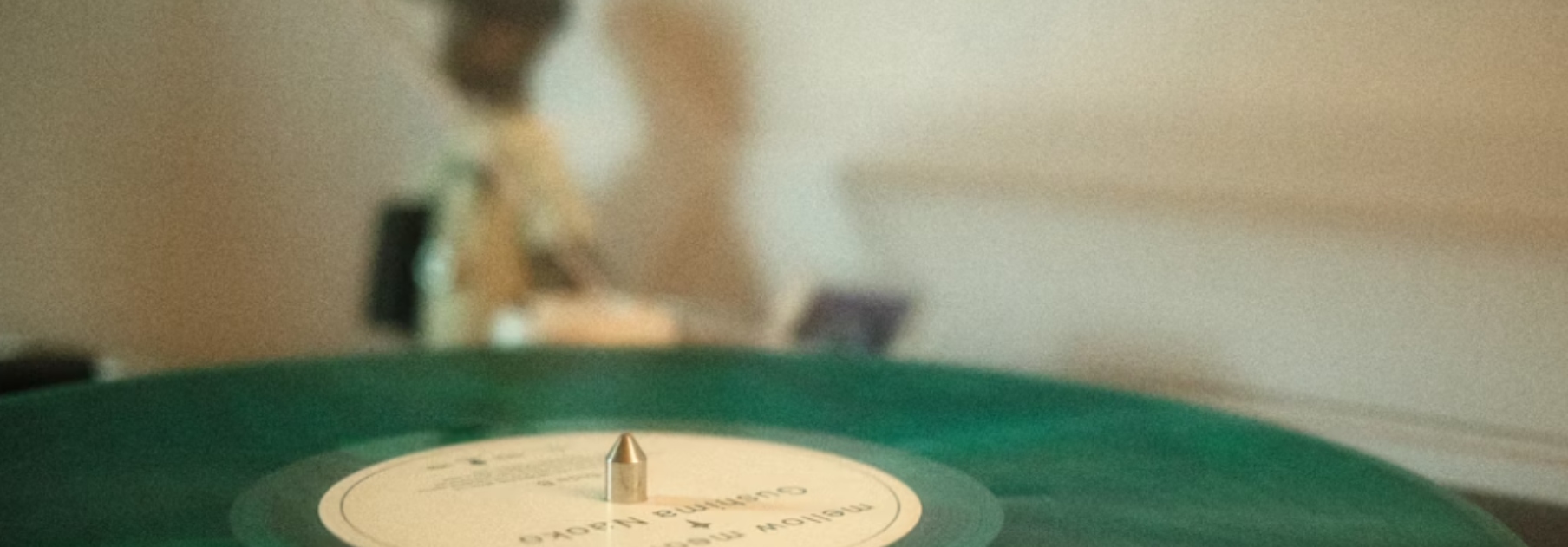
For the past 20 years, I’ve been spinning records, watching the culture grow, evolve, and shift in ways I never could have imagined when I first touched a pair of turntables. I came up in an era where the art of DJing was sacred—built on foundation, skill, and a deep understanding of music. Back then, you had to dig for your records, learn how to blend, understand the BPMs, and practice your transitions endlessly. DJing wasn’t about going viral or building an Instagram following; it was about moving the crowd, controlling the energy of the room, and knowing how to make people feel something.
Fast forward to 2025, and the landscape is almost unrecognizable. Some things have improved—technology has made DJing more accessible, and artists have more control over their careers than ever before. But with progress has come new struggles, and this moment in DJ culture feels more precarious than any shift I’ve seen before. We’re at a crossroads where survival in this industry demands reinvention, resilience, and an understanding of the changing rules.
The Decline of DJ Venues: A Vanishing Foundation

For decades, clubs, bars, and music venues were the heart of DJ culture. They were the places where we honed our craft, where we took risks, where we learned how to read the room. The relationship between DJs and nightlife was symbiotic—clubs needed DJs to bring the energy, and DJs needed clubs to sharpen their skills and build followings.
But in 2025, these spaces are disappearing at an alarming rate. Rising rent, changing regulations, and a shift in how people consume entertainment have led to widespread closures of small and mid-sized venues. Iconic clubs that once served as hubs for DJ culture are shutting their doors, leaving fewer places for DJs to play, let alone get started. According to the NTIA, if closures continue at their current pace, the UK might not have any nightclubs left by 2030.
It’s not just in the UK—it’s happening everywhere. Cities like New York, Berlin, and Los Angeles, once global centers of nightlife, have all seen legendary venues disappear due to gentrification and financial strain. And it’s not just clubs. Many bars, lounges, and smaller venues that used to offer DJs a place to play are choosing pre-made playlists over live DJs to cut costs.
As a DJ who grew up watching legends cut their teeth in these venues, it’s heartbreaking. Because these weren’t just places to play music—they were incubators for culture. And with their disappearance, we’re losing the very spaces where DJing was passed down, learned, and experienced in its rawest form.
The Financial Reality: The Hustle is Realer Than Ever
If you’re not in that top 1% of internationally booked DJs, making a living from DJing is harder than ever. Sure, it’s always been tough—but the balance has shifted dramatically.
Back in the day, getting steady club gigs meant you could sustain yourself, even if you weren’t making superstar money. You played weekly residencies, built relationships with promoters, and put in the hours. But now, with clubs closing and budgets shrinking, many DJs find themselves fighting for underpaid gigs—or worse, being expected to play for “exposure.”
Even for working DJs, the financial reality is unstable. The cost of keeping up with equipment, software, music subscriptions, and marketing can be overwhelming. If you’re producing music, add the cost of studio time, plugins, and software licenses to the equation. Meanwhile, streaming platforms and digital music services have made access to music easier, but also more expensive for DJs who need curated, high-quality tracks for their sets.
So how do you survive? You have to diversify. Many DJs now balance multiple income streams—playing private events like weddings and corporate gigs, teaching DJ courses, selling sample packs, or even leveraging their knowledge into social media content. But that also means we’re in an era where being a great DJ isn’t enough. You have to be a brand, a content creator, a businessperson, and an entrepreneur.
Social Media’s Impact: Clout Over Craft?
Social media has done some amazing things for DJs—it’s given us direct access to audiences, removed gatekeepers, and allowed underground talent to rise. But it’s also distorted what it means to be a DJ.
These days, it sometimes feels like your social media following matters more than your ability to rock a party. Many venues, festivals, and booking agents prioritize numbers over skill. If you don’t have a certain number of followers, they won’t even consider booking you, regardless of how good you are.
And with the rise of TikTok and Instagram, DJing itself has started to look different. Instead of long, immersive sets that take people on a journey, viral DJ clips often feature quick transitions, wordplay tricks, or flashy technical skills that look good in a 30-second reel. The artistry of building a vibe over time is being lost in favor of what’s most “clickable.”
I’ll be real—this frustrates me. Because DJing is about energy, about understanding how to tell a story with music. But in 2025, if you’re not playing the social media game, you’re missing out on opportunities.
So where does that leave us? If we want to survive, we have to find a balance. We have to use social media as a tool without letting it define us. We have to keep refining our skills while also learning how to market ourselves in this new world.
Oversaturation: Everyone’s a DJ, So How Do You Stand Out?
Let’s talk about the elephant in the room—there are more DJs now than ever before. Thanks to affordable controllers, streaming platforms, and DJ software, almost anyone can start mixing. And while accessibility is a beautiful thing, it also means the market is oversaturated.
It used to be that if you wanted to be a DJ, you had to put in work—saving up for gear, digging for records, learning how to beatmatch by ear. But now, you can download an app, press sync, and call yourself a DJ.
So how do you separate yourself? The answer lies in mastery. In a world where everyone can DJ, the ones who truly succeed are those who invest in their craft. That means knowing your music inside and out, perfecting your transitions, learning how to read a crowd, and curating a sound that is uniquely your own.
It also means thinking beyond DJing—what makes you special? Are you bringing something fresh to the culture? Are you finding creative ways to engage your audience? Are you tapping into emerging trends like live remixing, hybrid sets, or VR DJing?
Mental Health: The Silent Struggle
With all these pressures—financial, social, and creative—it’s no surprise that mental health struggles are rampant in the DJ community. Burnout is real. Anxiety and imposter syndrome are real. The pressure to stay relevant, constantly create content, and hustle for gigs can take a serious toll.
We don’t talk enough about the mental health side of DJing. But the truth is, many DJs are struggling behind the scenes, whether it’s dealing with financial instability, the stress of constant travel, or the loneliness of working in an industry that often feels transactional.
If you’re reading this and feeling overwhelmed, know that you’re not alone. It’s okay to take breaks, to ask for help, and to set boundaries. The DJ grind is real, but your well-being matters more.
Where Do We Go From Here?
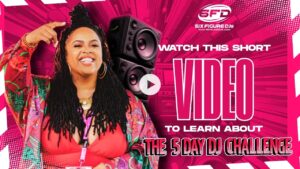
https://www.6figuredjs.com/5daydjchallenge
The future of DJing isn’t bleak—it’s just different. The old paths may be disappearing, but new ones are opening up. DJs who can adapt, innovate, and build strong communities will thrive.
So let’s keep pushing the culture forward. Let’s find new ways to play, connect, and share music. Let’s balance the digital with the real, the business with the art.
Because at the end of the day, DJing isn’t just a hustle—it’s a calling. And no matter how much the industry changes, the power of music will always remain.
